In 2025, the digital banking revolution has cemented mobile-first banks as the preferred choice for millions of consumers seeking convenience, lower fees, and innovative features like getting paid up to two days early. These institutions have largely replaced the need for physical branches, offering robust financial services entirely through smartphones. While major players like Chime dominate the U.S. market, highly specific mobile-first banks like Moniepoint are rapidly gaining ground in developing countries across Africa, leading to a global shift in how people manage their money.

The Digital Banking Revolution in 2025
The core appeal of mobile-first banks lies in their efficiency and user experience. By eliminating the massive overhead of physical branches, they can offer services that traditional banks cannot, such as fee-free accounts, no minimum balances, and innovative payment features.
The Shift Away from Traditional Banking
The trend towards digital banking is global and accelerating in 2025.
- Cost and Convenience: Consumers are prioritizing convenience and avoiding the hidden fees and cumbersome processes often associated with traditional banks.
- Global Adoption: The adoption of mobile-first banking is surging in developing countries where physical banking infrastructure is sparse. These regions are leapfrogging the traditional banking model entirely, going straight to mobile financial services.
- Innovative Features: Services like “getting paid two days early” (direct deposit advance), which is a common feature among leading digital banks, are a major draw for consumers managing cash flow.
Top Mobile-First Banks in 2025
Several banks have established themselves as leaders in the mobile-first space, offering a range of features tailored to modern consumers.
Chime (USA)
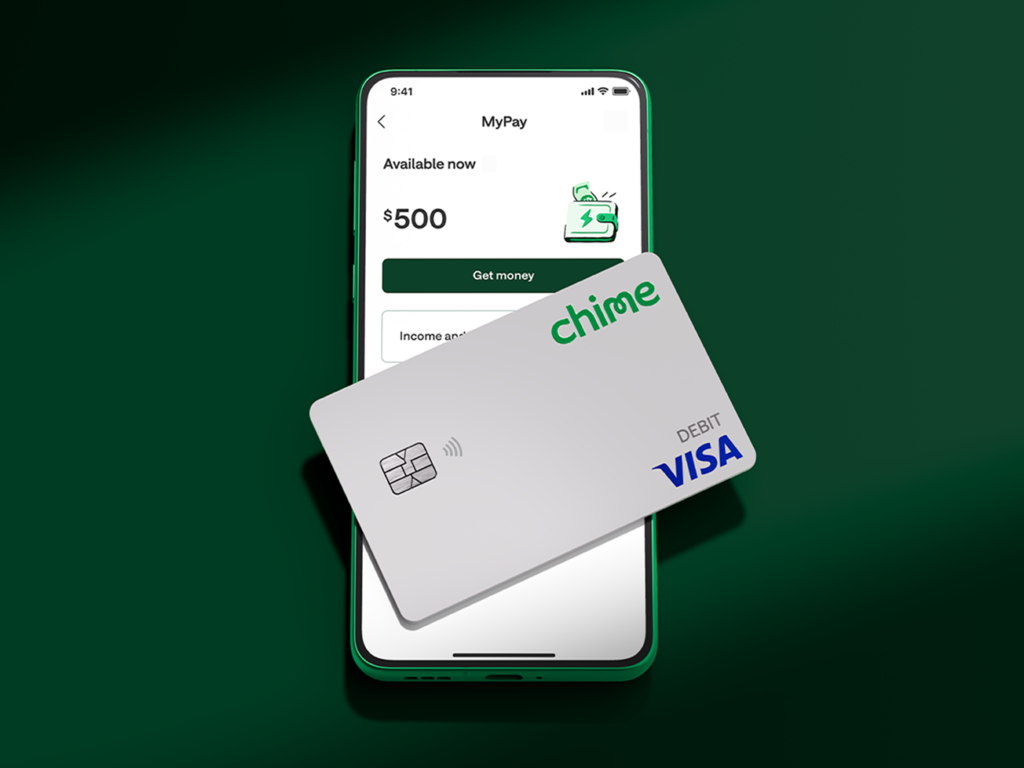
Chime is one of the most popular mobile-first banking services in the United States, known for its focus on everyday banking needs and fee avoidance.
- Key Features:
- Get Paid Early: Offers direct deposit up to two days earlier than traditional banks.
- SpotMe: A fee-free overdraft service that helps cover expenses.
- No Hidden Fees: Chime emphasizes a lack of monthly fees, overdraft fees, or foreign transaction fees.
- Focus: Chime is primarily aimed at the average American worker, offering a seamless, low-cost checking and savings experience designed to manage daily finances efficiently.
Moniepoint (Africa)
Moniepoint is a powerful example of a mobile-first bank dominating the African market. Originally focused on business banking, it has expanded to serve individual consumers in countries like Nigeria.
- Key Features:
- Agent Network: While mobile-first, it leverages a vast network of human banking agents to bridge the gap for those without consistent internet access.
- High Transaction Reliability: Known for its robust infrastructure that ensures high transaction success rates.
- Business Focus: Offers strong tools for small and medium-sized enterprises (SMEs) to manage payroll, payments, and expenses entirely from mobile.
- Focus: Moniepoint is a critical infrastructure player in a developing economy, bringing formal financial services to millions of previously unbanked or underbanked individuals and businesses via mobile technology.
Other Notable Players:
- Ally Bank: A leader in online banking with an excellent mobile app, known for its highly competitive high-yield savings accounts and user-friendly tools like savings “buckets”.
- Revolut: A global fintech giant offering a mobile-first super-app that includes banking, currency exchange, cryptocurrency trading, and stock trading, catering to a highly mobile international consumer base.
- N26: A prominent European digital bank offering a streamlined mobile experience, known for its simple interface and focus on transparency.

Why Choose Mobile-First in 2025?
The decision to switch to a mobile-first bank in 2025 is driven by several tangible benefits:
- Speed and Accessibility: Manage finances 24/7 from anywhere in the world.
- Lower Costs: Significantly fewer fees compared to traditional banks.
- Innovation: Access features like early direct deposits, budgeting tools, and crypto integration that are slow to be adopted by legacy institutions.
In summary, the digital banking revolution is fully realized in 2025, offering efficient, user-centric, and accessible financial solutions that are redefining what it means to bank in the modern world.