Asset tokenization is rapidly emerging as a transformative force in 2025, bridging traditional, illiquid assets like real estate and fine art with the efficiency of blockchain technology. This process is gaining mainstream validation through the involvement of major financial institutions, exemplified by the launch of BlackRock’s BUIDL fund, which attracted an impressive $240 million in its first week. Tokenization is democratizing access to high-value investments through fractional ownership and streamlined processes.
Understanding Asset Tokenization
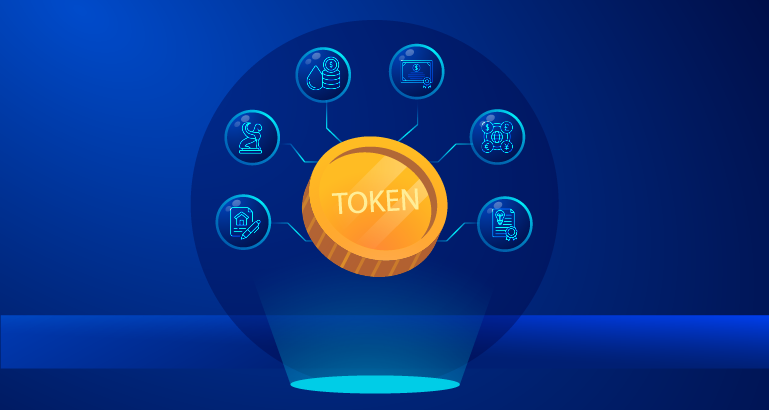
Asset tokenization is the process of converting the rights to an asset into a digital token on a blockchain. For real estate or a piece of fine art, this means representing ownership shares as secure, tradable digital tokens.
Key Benefits of Tokenization:
- Fractional Ownership: The most significant benefit is the ability to own a fraction of an asset. Instead of needing millions to buy a commercial building or a Picasso painting, an investor can buy a token representing a small share.
- Increased Liquidity: Traditionally, selling real estate or fine art can take months or years. Tokenization creates a secondary market where tokens can be traded instantly, 24/7, on a blockchain, significantly increasing liquidity.
- Transparency and Security: All ownership records are maintained on an immutable blockchain ledger, reducing fraud and providing an audit trail.
- Reduced Costs: It removes many intermediaries involved in traditional transactions (brokers, lawyers, clearinghouses), streamlining processes and lowering fees.
Major Players and Market Validation in 2025
The entry of traditional finance giants into the tokenization space has provided the necessary regulatory confidence and infrastructure for mass adoption in 2025.
BlackRock’s BUIDL Fund
The launch of the BlackRock USD Institutional Digital Liquidity Fund (BUIDL) in late 2024 was a pivotal moment. The fund, which tokenizes U.S. Treasury bills and repurchase agreements, raised $240 million in its first week.
- Significance: BUIDL demonstrates that institutional capital is not only interested but actively engaging with tokenized assets as legitimate investment vehicles. It uses the Ethereum network for issuance and trading.
Securitize
Securitize is a leading platform that has been at the forefront of asset tokenization, providing the technology and regulatory framework for companies to issue and manage digital securities. They are a primary partner for BlackRock’s BUIDL fund, acting as the transfer agent and tokenizing platform.
- Role in Real Estate: Securitize is involved in tokenizing private equity, private credit, and real estate, making these previously inaccessible asset classes available to a broader range of accredited and eventually retail investors.
Real Estate and Art: The Future of Investment
Real estate and fine art are ideal candidates for tokenization due to their high value and low liquidity.
Tokenized Real Estate
Tokenized real estate democratizes property investment. Investors can now build a diversified portfolio of tokenized properties across different geographies and property types (residential, commercial) with relatively small capital amounts.
- Market Impact: The current real estate market in 2025, characterized by high mortgage rates (around 7%) and low inventory (only 871,000 listings available nationally), makes physical property ownership difficult. Tokenization provides an alternative entry point into this asset class.
Tokenized Art
Fine art is an elite asset class traditionally reserved for the ultra-wealthy. Tokenization breaks down the barriers to entry, allowing investors to own a piece of a masterwork and benefit from its appreciation without the logistics of physical storage, insurance, and authentication.
The Future of Finance in 2025
The trend of asset tokenization signifies a major evolution in the financial world. It represents a paradigm shift from a system based on paper certificates and manual processes to a digital, efficient, and inclusive system built on blockchain technology. As regulatory clarity improves and more major institutions participate, tokenization is poised to become a standard method for investing in a wide range of assets in the coming years.